
Saudi Arabia and Pakistan Sign Mutual Defense Pact as Gulf States Grow Wary of US Security Guarantees
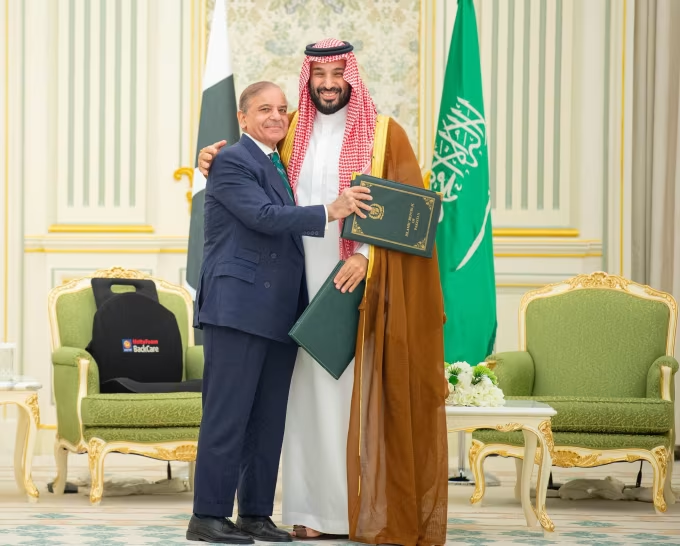
What the pact does: it formalizes cooperation in joint military exercises, defense technology sharing, counterterrorism and cybersecurity — an effort aimed at diversifying Saudi Arabia’s security partnerships beyond traditional ties with Washington.
Why the agreement matters
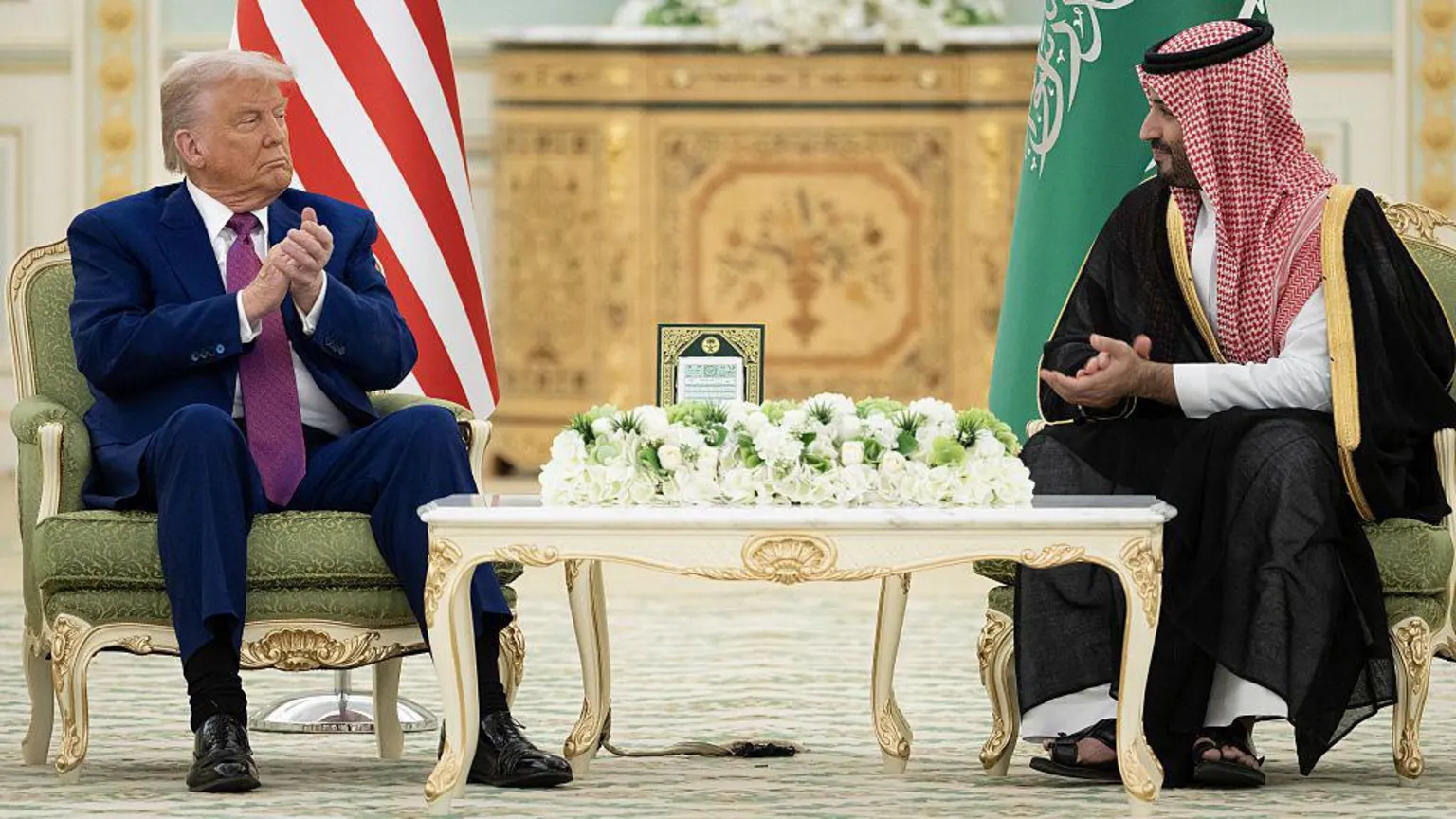
For decades, Saudi Arabia has relied heavily on the United States for defense against regional threats. But recent years have seen Gulf leaders reassess that dependence amid perceived shifts in U.S. policy. A desire for more autonomous defense arrangements. Pakistan — with one of the region’s largest and most experienced militaries — is a natural partner given historic ties in religion, trade and prior security cooperation.
Key areas of cooperation
- Joint military exercises: Regular drills to improve interoperability between Saudi and Pakistani forces.
- Defense technology and intelligence sharing: Provisions to exchange threat assessments and certain defense capabilities.
- Counterterrorism coordination: Closer cooperation on extremist networks operating across South Asia and the Middle East.
- Cybersecurity and counter-drone defenses: Joint development of capabilities to protect critical infrastructure.
Regional and global implications
Analysts warn the pact could reshape Gulf security dynamics. Saudi Arabia’s move to deepen ties with Islamabad may encourage other Gulf Cooperation Council (GCC). Members to explore alternative security arrangements, reducing exclusive reliance on the U.S. Such realignment could alter the strategic balance with regional powers. including Iran, which is likely to view closer Saudi–Pakistan defense cooperation as containment-oriented.
Links to wider security architectures
The agreement may also strengthen multilateral groupings like the Islamic Military Counter Terrorism Coalition (IMCTC), headquartered in Riyadh and previously led by Pakistani military leadership. Closer Saudi–Pakistan defense ties could translate into a more active IMCTC posture on shared security challenges.
What to watch next
Observers will be looking for implementation details: the scope of troop deployments. The depth of technology transfers. The pact prompts similar deals across the Gulf. The timeline and transparency of future joint exercises or basing arrangements will also indicate how far this partnership will reshape regional security practice.
As Gulf states adapt to a shifting global order and evolving U.S. foreign policy priorities. The Saudi–Pakistan defense pact may mark the start of a broader trend: Gulf-Asian security cooperation that complements. In some areas substitutes for — traditional Western guarantees.