

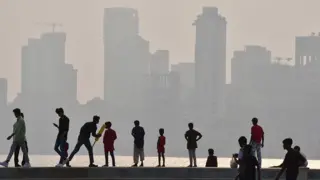
Foul Skies, Fading Light: How Air Pollution is Stealing India’s Sunshine
Once known for its golden glow and clear blue skies, India is now witnessing a silent thief at work — air pollution is literally stealing its sunshine. From Delhi’s dense smog to Mumbai’s murky mornings, millions across the country are seeing their days grow dimmer as particulate matter and industrial emissions cloud the atmosphere.
India’s Vanishing Sunlight
Over the past two decades, scientists have observed a significant decline in sunlight reaching the Earth’s surface across India. This phenomenon, known as “global dimming,” is largely caused by air pollution. Tiny particles from vehicles, factories, and crop burning scatter and absorb sunlight, reducing visibility and natural brightness.
According to research by the Indian Institute of Tropical Meteorology, some regions have seen sunlight reduction by up to 10-15% over the past few decades — a troubling indicator for both human and environmental health.
Impact on Health, Agriculture, and Energy
The consequences of fading sunlight extend beyond the skies. Poor air quality is linked to respiratory diseases, lower crop yields, and even declining solar power efficiency.
- Health: Reduced UV exposure and higher pollutant levels increase the risk of respiratory and cardiovascular diseases.
- Agriculture: Less sunlight means slower photosynthesis, threatening food security and crop productivity.
- Solar Energy: India’s ambitious solar mission faces setbacks as pollution blocks sunlight that solar panels depend on.
Major Cities Under the Smog
Delhi, Kolkata, and Lucknow are among the worst-affected cities. Satellite data shows that these regions frequently record hazardous air quality levels, especially during winter months when crop residue burning and industrial emissions peak. The result — thick layers of haze that dim the sun even at noon.
Can India Bring Back Its Sunshine?
Efforts are underway to combat air pollution. The National Clean Air Programme (NCAP) aims to reduce particulate pollution by 40% by 2026 through stricter emission norms, cleaner fuels, and green initiatives. Urban forests, electric vehicles, and renewable energy expansion are key parts of the solution.
However, experts warn that without stronger enforcement and behavioral change, India’s skies may continue to darken — both literally and metaphorically.
A Call to Clear the Air
India’s sunlight is more than just warmth and light — it symbolizes vitality, hope, and progress. As pollution continues to dim its brilliance, restoring clean air must become a national priority. Only by addressing the root causes can India reclaim its right to clear skies and bright days.