

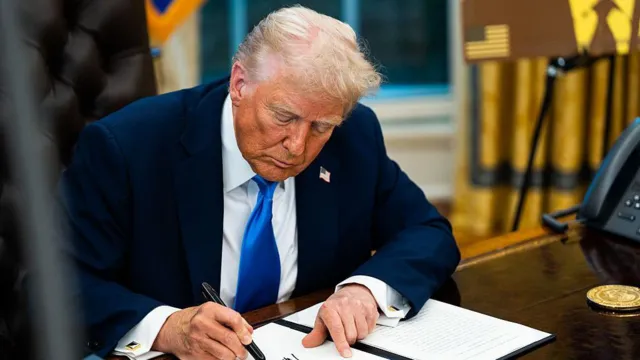
Trump Administration Sued Over $100K Fee for Skilled Worker Visas
Washington, D.C. — The Trump administration is facing legal challenges over a new policy. The imposes a $100,000 fee on skilled worker visa applications. A move critics say threatens the country’s ability to attract global talent and maintain competitiveness in the technology sector.
Background of the Controversial Fee
The fee, introduced earlier this year, applies to certain categories of skilled foreign workers under the H-1B and L-1 visa programs. The administration claimed the additional cost would help fund domestic job programs and ensure “fairness” for American workers. However, immigration advocates and several U.S. companies have argued that the measure is punitive, discriminatory, and economically damaging.
The Lawsuit and Its Plaintiffs
A coalition of tech companies, universities, and immigrant advocacy groups filed the lawsuit in a federal court, alleging that the fee violates federal administrative law. They claim the rule was implemented without proper public consultation and that it disproportionately affects industries dependent on global expertise — including technology, healthcare, and research.
“This policy effectively prices out smaller companies and startups that rely on skilled foreign workers,” said one of the attorneys representing the plaintiffs. “It’s an attack on innovation and economic growth.”
Economic and Political Implications
The lawsuit adds to the growing list of legal challenges facing the Trump administration’s immigration agenda, which has emphasized protectionist measures and tighter controls on foreign labor. Economists warn that policies like the $100K visa fee could drive talent to other countries such as Canada and the United Kingdom, which have actively eased their visa restrictions for skilled professionals.
Critics argue that at a time when the U.S. faces a shortage of STEM workers. Such a hefty fee sends the wrong message to international talent. Proponents, however, maintain that it will prioritize American workers and reduce dependence on foreign labor.
What Happens Next?
The federal court is expected to hear the case later this year. If the lawsuit succeeds, the administration could be forced to suspend or revise the rule. Meanwhile, affected companies are urging the government to focus on modernizing the immigration system rather than imposing financial barriers.
As the case unfolds, it underscores the tension between economic growth and immigration control . A defining feature of U.S. politics in recent years.