
Powerful Earthquake in Northern Afghanistan — At Least 20 Dead

Summary
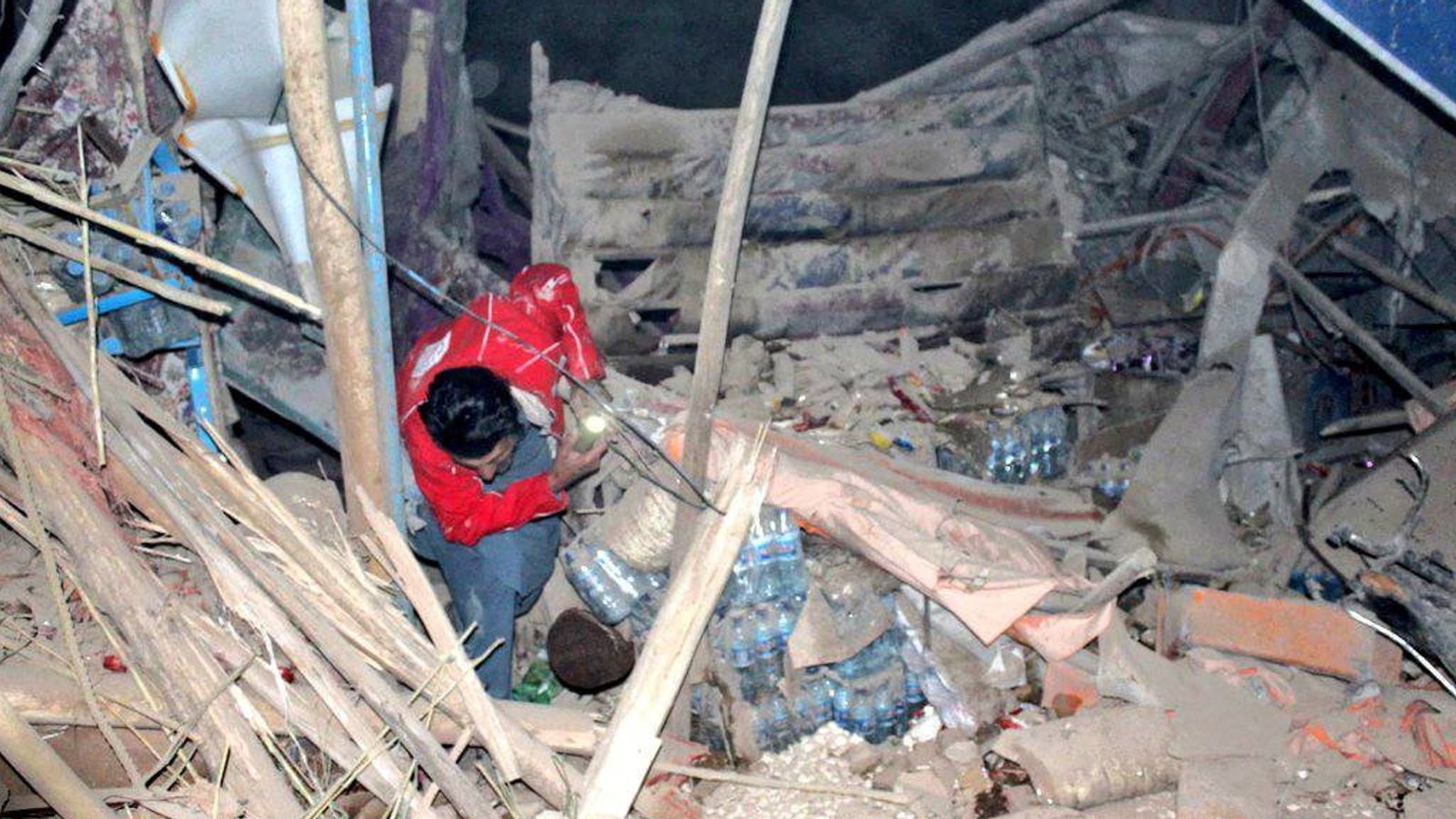
A magnitude 6.3 earthquake struck northern Afghanistan early on November 3, 2025, killing at least 20 people and injuring hundreds. The quake impacted communities in Balkh and Samangan provinces, with damage reported in Mazar-e-Sharif and nearby rural areas. Rescue teams and health services have mobilised as access to remote villages remains challenging.
What happened
- The quake’s epicentre was reported near Khulm and Mazar-e-Sharif in northern Afghanistan.
- Local authorities reported at least 20 fatalities and several hundred injuries; figures may rise as relief teams reach remote villages.
- Shallow depth and the region’s vulnerable infrastructure increased the severity of the damage.
- Historic sites, including part of the Blue Mosque in Mazar-e-Sharif, sustained damage.
Immediate impacts and response
Hospitals in the affected provinces were put on emergency footing and medical teams are treating the injured. Difficult terrain and potential after-shocks complicate rescue operations and delivery of aid. Local authorities, humanitarian agencies and international partners will need to coordinate on search & rescue, emergency medical care, temporary shelter and longer-term rebuilding.
Why this matters
Afghanistan lies in a seismically active region — especially near the Hindu Kush — where even moderate magnitude quakes can be deadly because of shallow tremors and fragile buildings. Damage to cultural heritage and homes adds long-term social and economic burdens to already vulnerable communities.
What to watch for next
- Updated official casualty and damage figures as remote areas are assessed.
- After-shock activity that could cause further harm.
- Progress of relief coordination and access to humanitarian assistance.
- Needs for shelter, medical supplies, and infrastructure repairs in the weeks ahead.
How you can help
If you want to assist: donate to reputable humanitarian organisations with verified Afghanistan relief programs, share reliable updates (avoid unverified posts), and support local partners delivering medical, shelter and food aid. For organisations: prioritise needs assessments, medical support, search & rescue, and logistical solutions for reaching remote communities.