
Meet the Underground Squad With the Lives of Countless Civilians in Their Hands
Who makes up this underground squad?
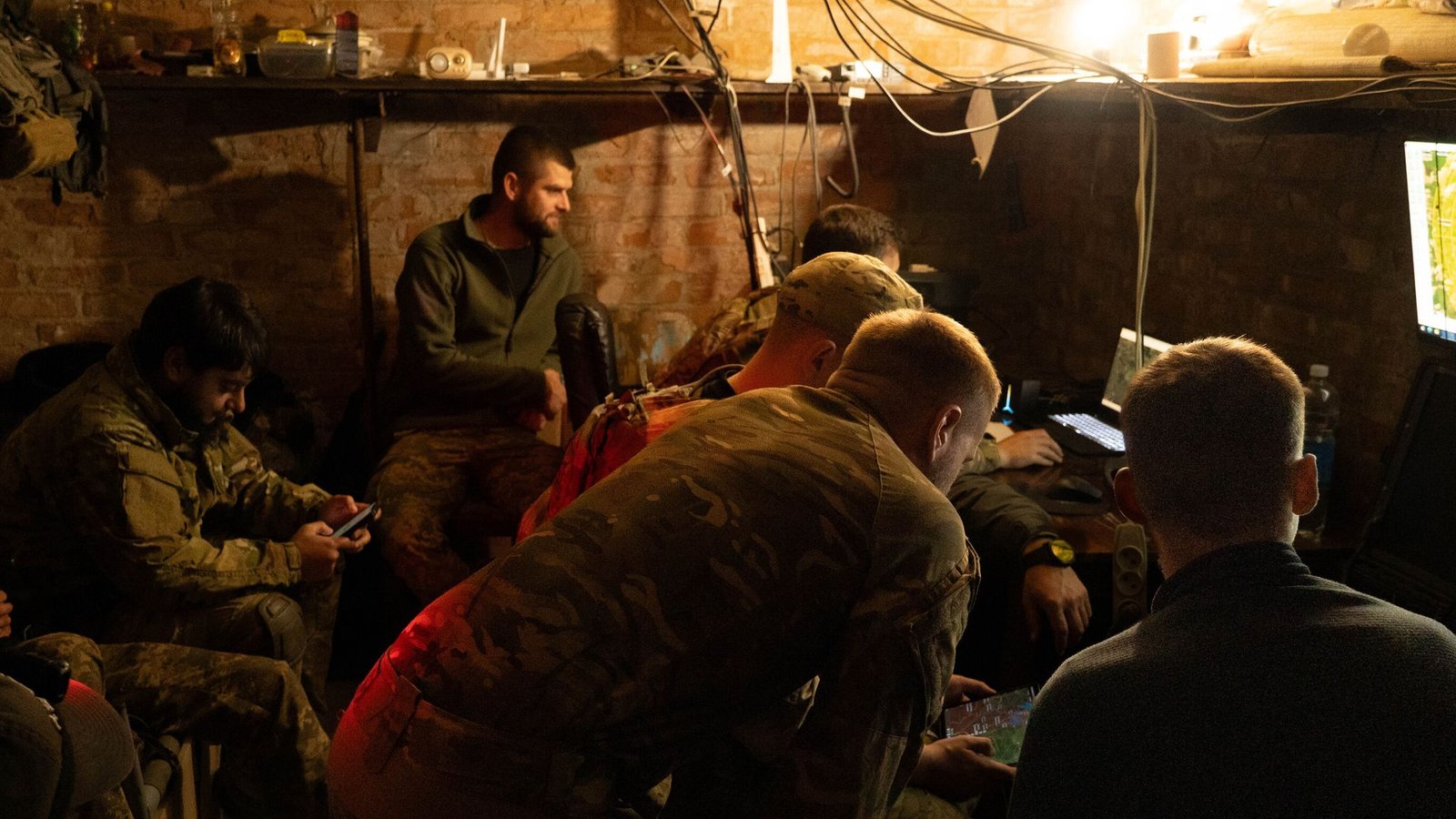
These units are multidisciplinary, bringing together a rare mix of skills tailored to low-visibility, high-stakes environments:
- Bomb disposal & EOD specialists — trained to detect and neutralize explosives in confined spaces.
- Cyber-defense engineers — who protect and reroute vital networks under attack.
- Communications operators — maintaining encrypted lines between command hubs and civilians.
- Medical & rescue teams — ready to treat and evacuate trapped or injured people underground.
- Logistics and infrastructure experts — who keep power, water, and ventilation systems running in extreme conditions.
Why their role is critical
As precision-guided munitions, cyberattacks, and urban threats increase, cities must defend both surface and subsurface assets. Underground squads reduce civilian casualties by:
- Securing and repairing essential infrastructure quickly.
- Coordinating rapid, guided evacuations from shelters and tunnels.
- Detecting threats early with sensor networks and AI-driven alerts.
- Maintaining resilient communications when standard channels fail.
Technology beneath the surface
Their operations combine traditional fieldcraft with advanced tech:
- AI-assisted surveillance to flag anomalies in real time.
- Blast-resistant architecture and modular barriers for civilian shelters.
- Encrypted, mesh-network communications that adapt to damaged infrastructure.
- Environmental monitoring to ensure air quality and safe evacuation routes.
Real-world impact
Although often unpublicized, these squads have played pivotal roles in recent emergencies — from preventing mass-casualty explosions to re-establishing water and power lines after targeted attacks. Their fast, coordinated actions mean the difference between localized disruption and large-scale humanitarian crises.
Challenges and ethical considerations
Operating in secrecy raises difficult questions: civilian oversight, chain of command, and transparency during peacetime. Balancing operational security with public accountability is an ongoing challenge for governments and humanitarian organizations alike.
Why this matters to you
When conflict or disaster strikes, the resilience of below-ground systems directly affects civilian safety. Understanding these hidden defenses helps communities support preparedness measures, advocate for humane protocols, and demand resilient infrastructure investments.