

28.september.2025
Zimbabwe is Tobacco Country — But Blueberries May Be the Future
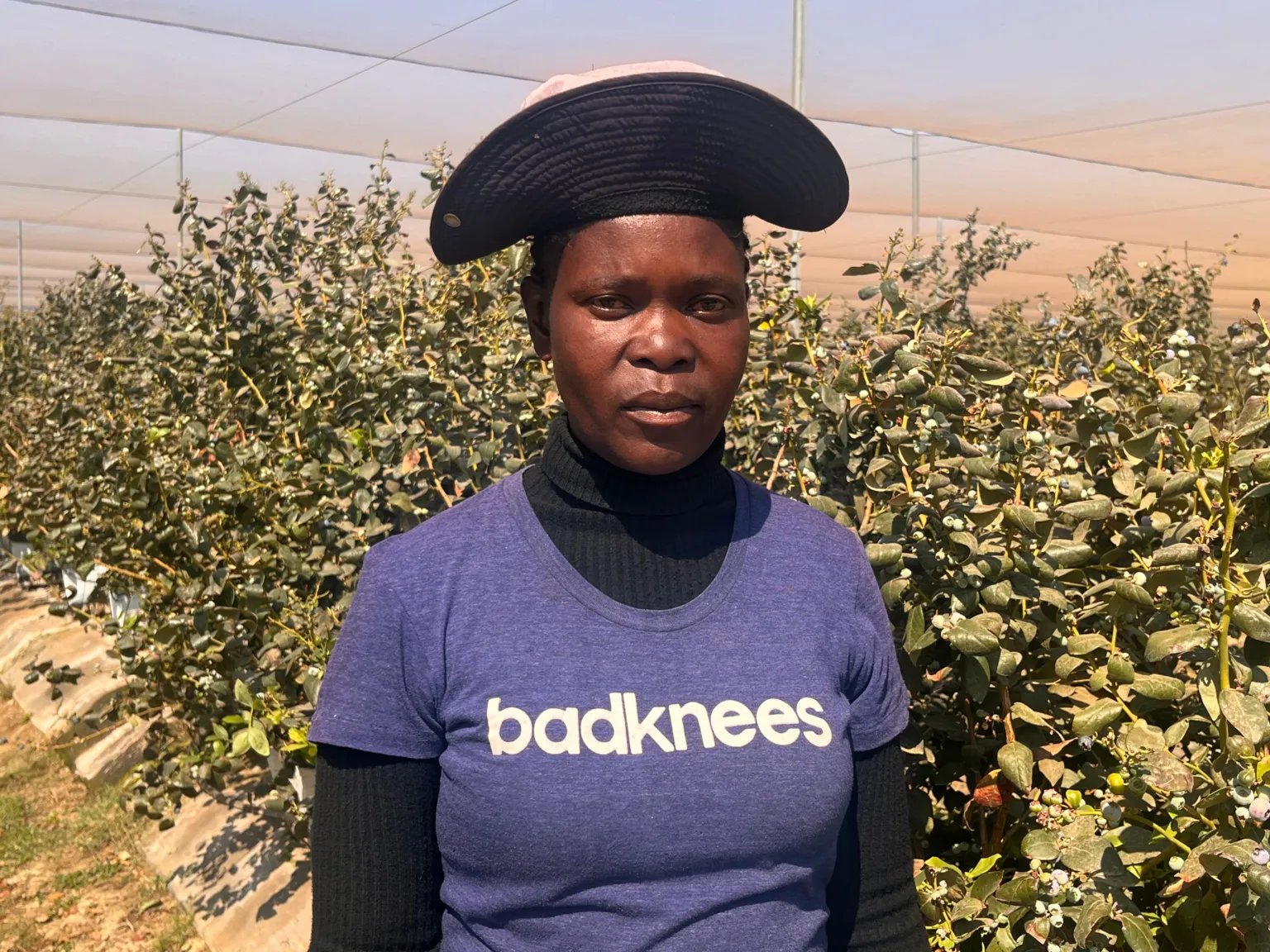
Harare, Zimbabwe — For decades, Zimbabwe has been known as one of the world’s top producers of tobacco. The golden leaf has fueled the nation’s economy, provided thousands of jobs, and supported entire rural communities. But now, a quiet shift is taking root — some farmers are turning away from tobacco and planting blueberries instead.
Why the Switch from Tobacco to Blueberries?
Tobacco has been Zimbabwe’s top agricultural export for years, but the crop comes with challenges. Global anti-smoking campaigns, health concerns, and fluctuating prices on the international market have made many farmers consider alternatives. Blueberries, in contrast, are seen as a healthier and more sustainable crop with growing demand in Europe, Asia, and the Middle East.
“Blueberries are in high demand worldwide, and the profit margins are attractive,” says Tendai Moyo, a farmer from Mashonaland West. “We see it as a way to diversify income and reduce our dependence on tobacco.”
Growing Global Demand for Blueberries
The global blueberry market is booming thanks to rising awareness of their health benefits, including being rich in antioxidants and vitamins. Zimbabwe’s climate and fertile soils make it an ideal place for blueberry farming, similar to South Africa, which has already become a major exporter.
Challenges of the Transition
Switching from tobacco to blueberries is not without obstacles. Blueberry farming requires significant upfront investment, advanced irrigation systems, and careful handling to meet export standards. Farmers also need training in post-harvest processing and cold-chain logistics to ensure quality berries reach global markets in perfect condition.
Economic and Environmental Benefits
Experts believe this shift could be a win-win for both farmers and the environment. Tobacco farming is resource-intensive and can deplete soil quality over time. Blueberries, on the other hand, require less land and may offer better long-term sustainability.
“If more farmers adopt blueberries, we could see a major transformation in Zimbabwe’s agricultural sector,” says Dr. Nhamo Chidara, an agricultural economist. “This could reduce deforestation from tobacco curing and position Zimbabwe as a global player in a lucrative fruit market.”
The Future of Zimbabwean Agriculture
While tobacco is likely to remain an important crop for the foreseeable future, the rise of blueberry farming reflects a growing appetite for agricultural diversification. As global demand continues to rise, Zimbabwe could find itself not just a tobacco powerhouse but also a major supplier of one of the world’s most popular superfoods.