
Delhi’s Air Has Become Toxic Once Again
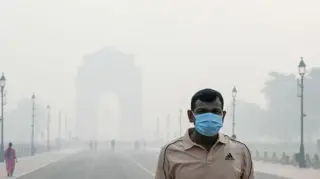
New Delhi, October 23, 2025 — The national capital is once again engulfed in a thick layer of smog as air pollution levels in Delhi have reached alarming heights. The Air Quality Index (AQI) crossed the “severe” category in several parts of the city, signaling a return to the dangerous winter pollution season.
Pollution Levels Cross Hazardous Mark
According to the Central Pollution Control Board (CPCB), Delhi’s overall AQI climbed beyond 450 early Thursday morning, making the city’s air unfit for breathing. Areas such as Anand Vihar, Punjabi Bagh, and RK Puram recorded particularly high PM2.5 concentrations, surpassing safe limits by over ten times.
Experts Warn of Health Emergency
Environmental experts have warned that the situation could soon turn into a public health emergency if immediate action is not taken. Doctors report an increase in respiratory complaints, especially among children and the old men. Prolonged exposure to such toxic air can lead to severe health problems, including asthma, bronchitis, and cardiovascular diseases.
Stubble Burning and Weather Worsen the Crisis
Seasonal stubble burning in Punjab and Haryana, combined with low wind speeds, has once again trapped pollutants over Delhi. Meteorologists say that a lack of rain and dropping temperatures have created a “pollution trap,” preventing the dispersion of harmful particles.
Government and Citizens Urged to Act
The Delhi government has urged residents to minimize outdoor activity and use air purifiers indoors. Officials have also reintroduced measures under the Graded Response Action Plan (GRAP), including bans on construction activities and restrictions on vehicle use. However, environmentalists argue that long-term solutions — such as cleaner fuel adoption and waste management reforms — remain critical.
Citizens Demand Sustainable Solutions
Many Delhiites have taken to social media, expressing frustration over the recurring smog crisis. Activists emphasize that without stricter enforcement of pollution laws and regional cooperation, Delhi’s air quality will continue to deteriorate each winter.
As Delhi’s air turns toxic once again, experts and citizens alike are calling for decisive and sustained measures. With health at stake and visibility dropping, India’s capital faces an urgent need for cleaner energy policies, better waste management, and strong public awareness campaigns.