
A Humming Annoyance or Jobs Boom? Life Next to 199 Data Centres
From low-frequency hums to new employment opportunities, the arrival of 199 data centres across regions has sparked a debate. This article breaks down what neighbours, local leaders and environmental experts are saying — and what the future could look like.
The data centre surge: why 199 matters
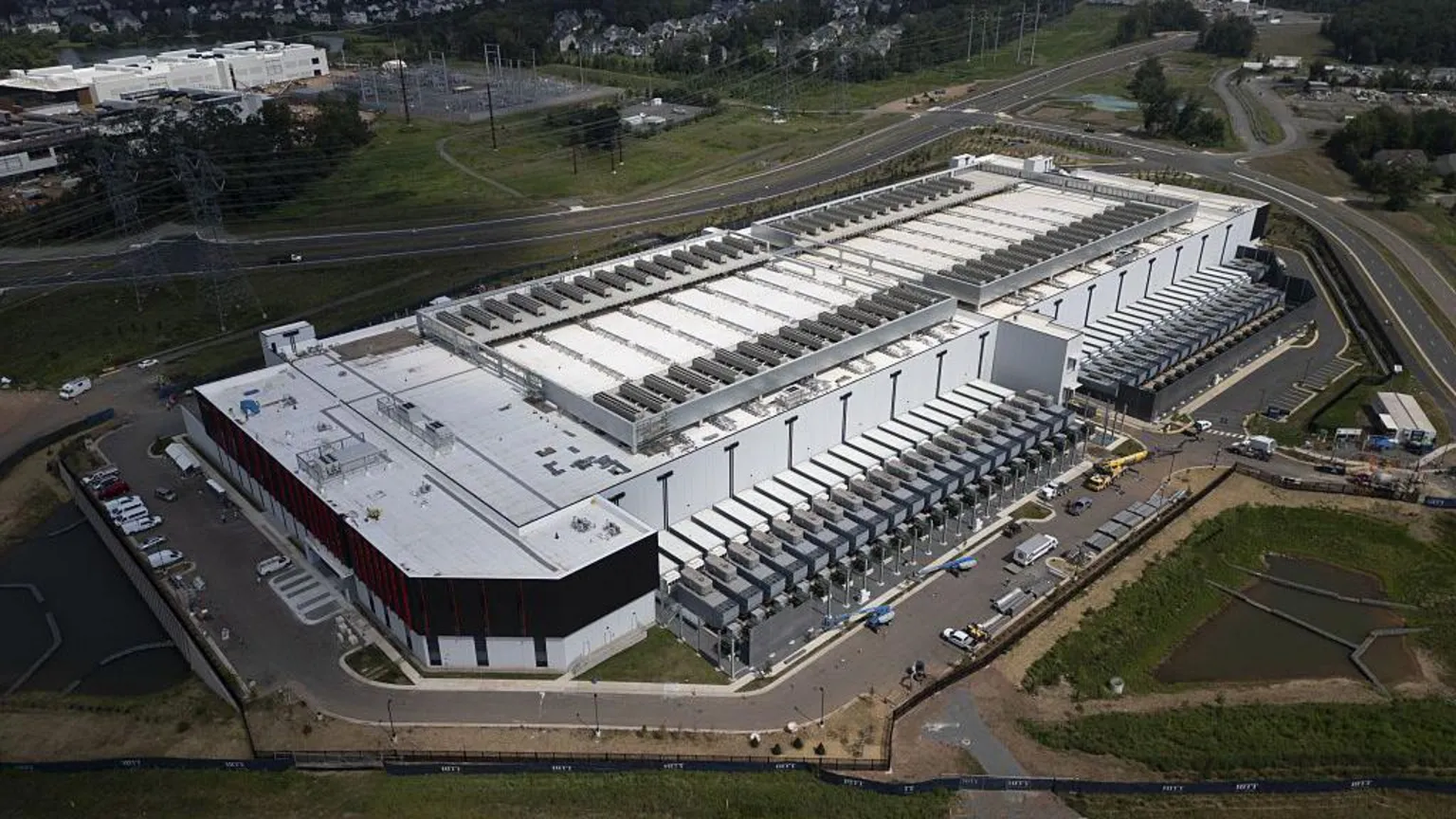
Cloud services, artificial intelligence, streaming, and e-commerce have driven a global boom in data centre construction. While the number 199 is a snapshot of facilities clustered in multiple regions, each site brings unique impacts: energy demand, water use, physical footprints and jobs. Understanding those trade-offs helps communities make informed decisions.
Neighbors’ concerns: noise, traffic and resource strain
Residents living near data centres commonly report:
- Constant hums: Low-frequency sounds from cooling systems and HVAC equipment can be noticeable, especially at night.
- Construction & traffic: Road wear and heavy vehicle movements during build phases.
- Energy & water demand: Large facilities can place additional load on local grids and water supplies if not managed with renewables or closed-loop cooling.
Economic upside: jobs, taxes and infrastructure
Data centres offer tangible local benefits:
- Employment: Construction jobs and ongoing roles in operations, security, facilities engineering and IT support.
- Tax revenue: Increased business rates and corporate investment can fund community projects.
- Digital infrastructure: Fiber and power upgrades that often accompany data centre projects can improve connectivity for residents and businesses.
Greener, quieter design is arriving
Industry response has focused on reducing environmental impact and noise:
- Renewable energy contracts: Power purchase agreements and local on-site renewables lower grid emissions.
- Advanced cooling: Liquid cooling and evaporative systems reduce energy use and can be quieter than traditional chillers.
- Noise mitigation: Acoustic barriers, building orientation, and muffler systems are increasingly standard.
What communities are asking for
Successful local outcomes often come from clear agreements between developers, councils and residents. Common items include:
- Community benefit funds or guarantees for local hiring
- Noise monitoring and publicly available environmental reporting
- Grid and water usage plans that prioritize sustainability
Quick checklist: evaluating a nearby data centre project
- Review the environmental impact assessment (EIA)
- Check commitments on renewable energy and water recycling
- Ask for a noise study and planned mitigation strategies
- Negotiate local hiring targets and community investment
FAQ
- Are data centres noisy enough to disrupt daily life?
- Modern data centres can be noticeable, especially where HVAC systems are close to residential areas. Proper acoustic design and barriers usually reduce most disturbances.
- Do data centres use a lot of water?
- Some cooling systems use significant water. Newer designs use air or closed-loop liquid cooling, which dramatically reduces water consumption.
- Will a data centre bring long-term jobs to my town?
- There is typically a construction employment spike and a smaller number of permanent operational roles. Local hiring commitments and training programs increase long-term employment benefits.