

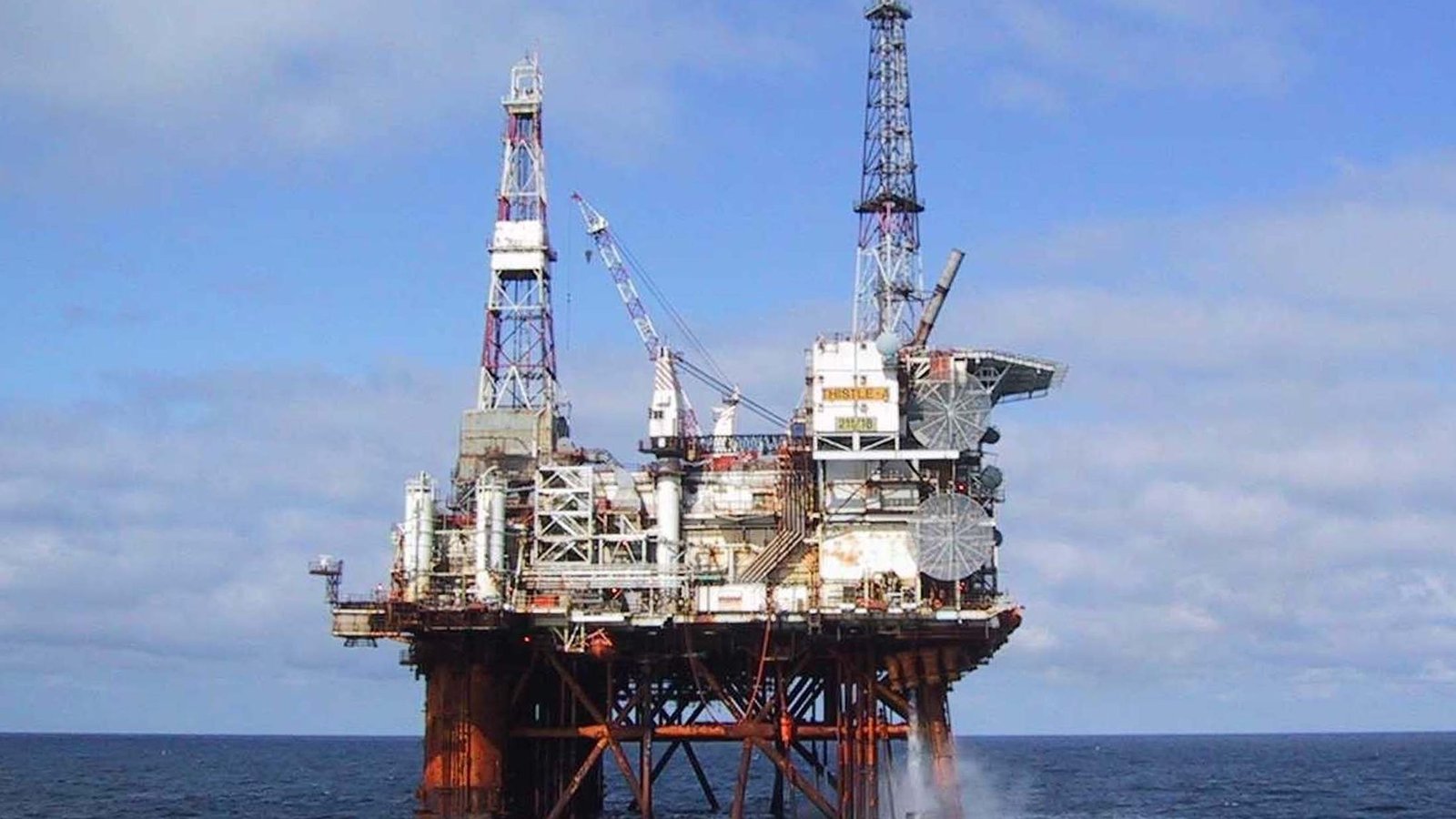
US Ambassador Urges UK to Increase North Sea Drilling to Boost Economy
What the ambassador said
The ambassador — in a recent broadcast interview — encouraged the UK to “examine the policies in the North Sea” and consider steps that would enable “more drilling and more production.” The comments underlined the view that domestic supplies can help reduce reliance on imports and ease pressure on household and business energy bills. 1
Economic arguments for more drilling
Supporters of expanding North Sea activity point to several potential benefits:
- Consequently, boosting domestic supply will help lower energy costs for both consumers and industry. 2
- Meanwhile, Job creation across engineering, supply-chain and coastal communities that depend on offshore energy. 3
- Higher tax revenue and regional investment stemming from renewed exploration and production. 4
Industry reaction
Energy companies and some regional political leaders welcomed the ambassador’s intervention, saying clearer policy signals and incentives could unlock fresh investment in the North Sea. Industry groups argue that a predictable fiscal and regulatory framework is essential to attract the long-term capital needed for robust production. 5
Environmental and policy concerns
Environmental groups and climate campaigners warned that expanding fossil fuel extraction risks undermining the UK’s legally binding net-zero commitments. But Critics say any new drilling must be weighed against commitments to accelerate renewables, energy efficiency and low-carbon technologies. The debate reflects wider political tensions over balancing short-term economic gains with long-term climate targets. 6
Where this leaves UK policy
The ambassador’s remarks add pressure to a fast-moving conversation in Westminster and industry circles about the role of domestic hydrocarbons in the energy transition. While some ministers and taskforces are considering ways to support existing production and encourage investment, others insist the primary focus must remain on expanding renewable generation and meeting emissions targets. 7
Takeaway
As global energy markets remain volatile, calls to “use your own resources” are likely to remain part of political debate. Whether the UK chooses to loosen restrictions, change fiscal settings, or instead double down on renewables, the conversation about the North Sea will shape economic and energy policy decisions in the months ahead. 8