
Breaking Peace: What’s In the New Trump-Netanyahu Gaza Plan?
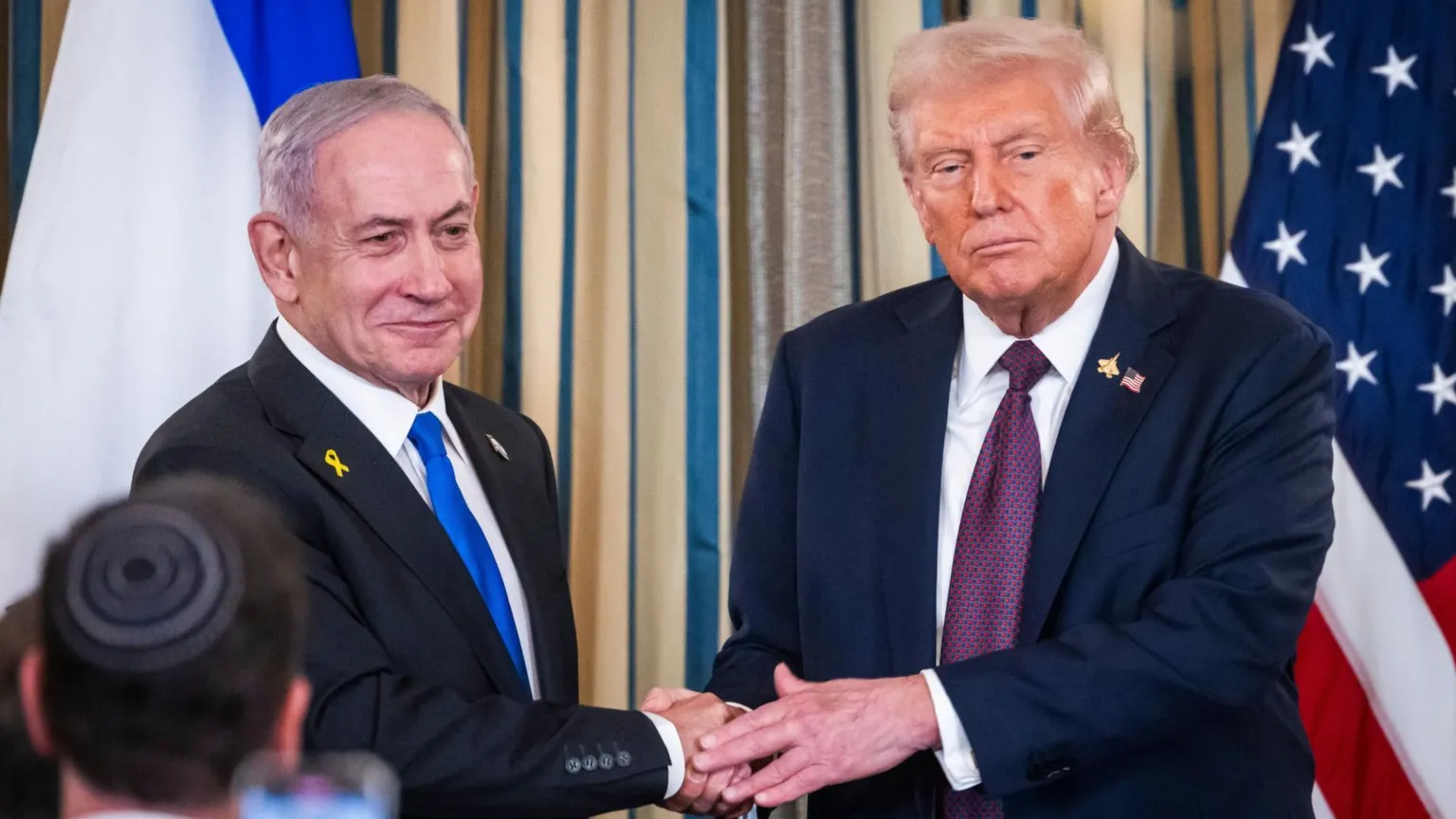
The world is watching as a major diplomatic initiative unfolds. A new Gaza peace plan championed by U.S. President Donald Trump and Netanyahu. This proposal aims to finally end the prolonged conflict in the Gaza Strip and secure the release of all remaining hostages.
But what exactly is in this high-stakes, 20-point agreement ? what does it mean for the future of the region?
Key Components of the Trump-Netanyahu Peace Proposal
The plan, laid out after high-level talks, is described as a comprehensive framework intended to bring an immediate halt to hostilities, ensure a safe return for captives, and lay the groundwork for a stable, terror-free Gaza.
1. Immediate Ceasefire and Hostage Release
- End to Hostilities: The plan calls for an immediate and complete cessation of all military operations, including aerial and artillery bombardment, upon agreement.
- Hostage Return: Crucially, it demands the release of all remaining hostages. Both living and deceased, within 72 hours of both Israel and Hamas publicly accepting the agreement.
- Prisoner Exchange: In return for the full release of all hostages. Israel would release a significant number of Palestinian prisoners. Including 250 serving life sentences and 1,700 detainees taken since October 7, 2023.
2. Security and Demilitarization
- Gaza as a “Terror-Free Zone”: The plan stipulates that Gaza must become a deradicalized, terror-free zone that poses no threat to its neighbors.
- Amnesty for Peace: Members of Hamas who commit to peaceful co-existence and agree to decommission their weapons will be granted amnesty. Those who wish to leave Gaza will be provided safe passage to receiving countries.
- Staged Israeli Withdrawal: Israeli forces would withdraw in phases, with “battle lines” remaining frozen until all conditions for a complete, staged pullout are met.
3. Governance and Reconstruction
- Transitional Governance: The immediate administration of Gaza would fall to a temporary, non-political Palestinian committee of technocrats.
- International Oversight: This body would be supervised by an international “Board of Peace,” potentially headed by President Trump himself, overseeing Gaza’s reconstruction and administration.
- No Occupation or Annexation: The proposal explicitly states that Israel will not occupy or annex Gaza. A key point that counters the vision of some hardline Israeli officials.
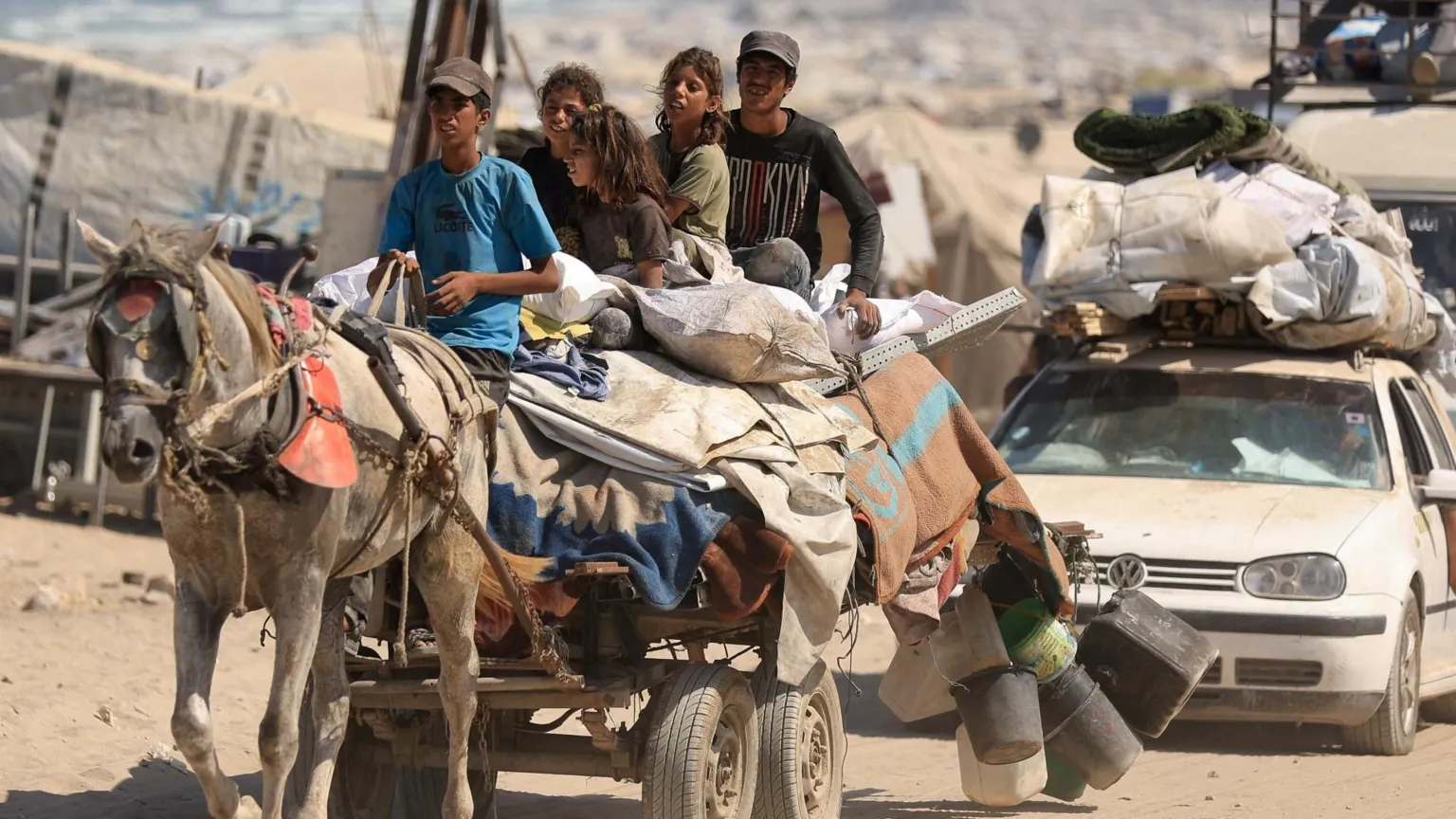
- Humanitarian Aid: Full humanitarian aid, including necessary supplies for the rehabilitation of infrastructure (water, electricity, hospitals, etc.) will be sent into the Gaza Strip immediately upon acceptance of the agreement.
Regional and International Reaction
The globe received the announcement with a mix of cautious optimism and deep skepticism.
- Support from Allies: Several key Arab and Islamic nations, as well as Western countries, have welcomed the proposal, viewing it as a potential lifeline to end the bloodshed and address the humanitarian crisis.
- Hamas’s Dilemma: The militant group, Hamas, which controls the territory, is now under immense pressure. The plan’s requirement for the group to disarm and surrender governance is a non-starter based on their past demands. Their decision is the most immediate roadblock to the deal’s implementation.
- Palestinian Skepticism: While the Palestinian Authority (PA) has welcomed the initiative as a step toward ending the war, many ordinary Palestinians in Gaza remain skeptical, viewing the plan as one-sided and lacking a clear path to a sovereign Palestinian state.
The Road Ahead: Challenges and Opportunities
The new Trump Netanyahu Gaza peace plan is undeniably the most significant diplomatic effort in years to resolve the conflict. However, its success hinges on several precarious factors:
- Hamas Acceptance: The core challenge is securing the agreement of Hamas, which must choose between accepting terms that demand its effective surrender or facing the continuation of conflict with full U.S. backing for Israel.
- Implementation Details: The proposal is ambitious but sparse on granular details, such as who will finance the massive reconstruction effort or how the international security force will be composed and deployed.
- Long-Term Political Solution: Critics note the plan’s lack of a concrete, immediate pathway to a two-state solution or Palestinian statehood, which remains a key demand for long-term regional peace.
Despite the hurdles, the shared commitment from Washington and Jerusalem. The coupled with regional support, has created a narrow but vital window for a breakthrough. The coming days will be critical as the world awaits Hamas’s response to this historic, high-stakes proposal.