
Who Is Zohran Mamdani, New York City’s Mayor-Elect?
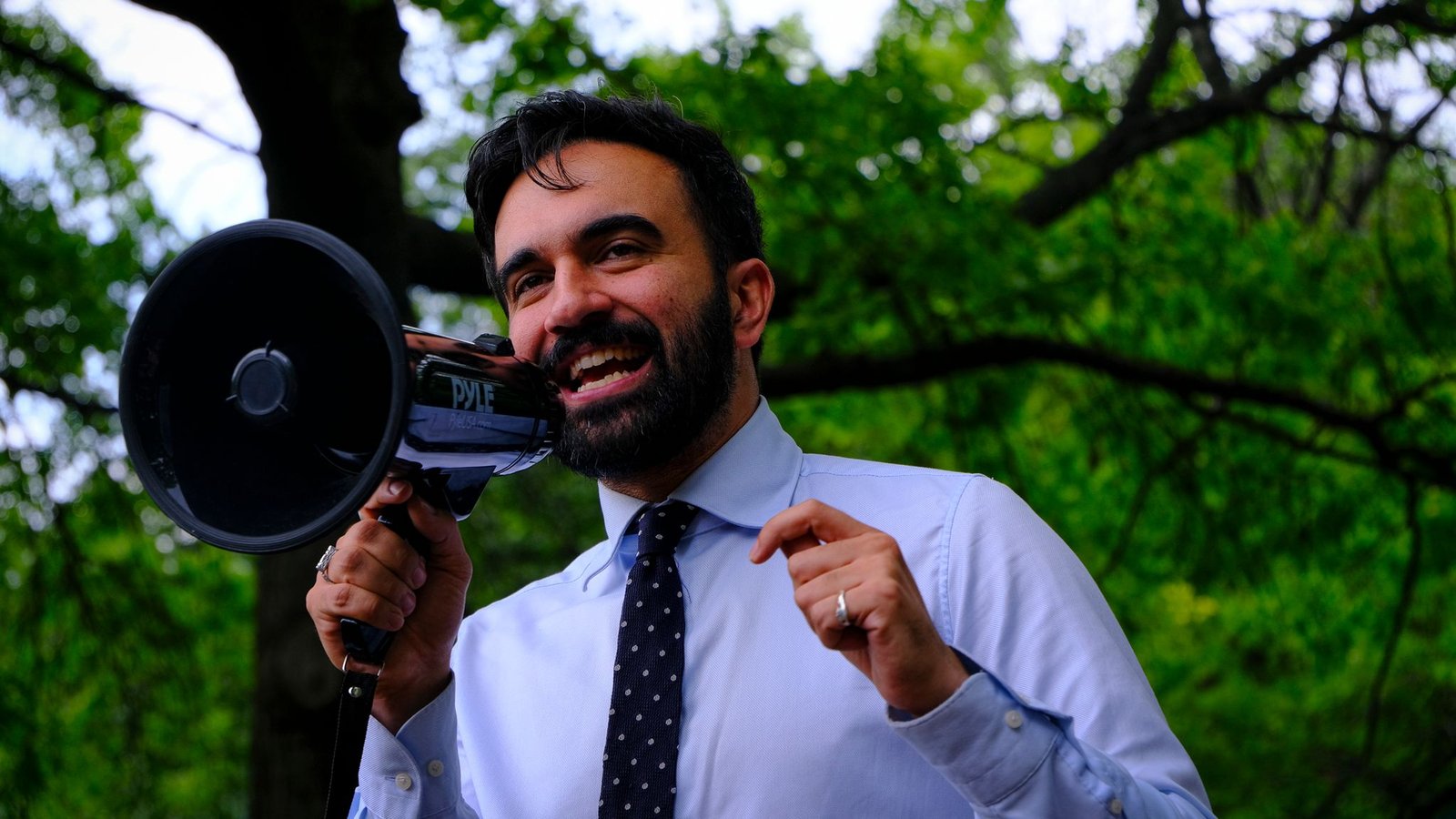
Zohran Mamdani’s victory marks a generational and demographic shift in New York City politics. Here’s a clear, up-to-date profile of his background, priorities, and the key challenges he will face as mayor.
Quick facts: who is Zohran Mamdani?
- Age: 34 (born October 18, 1991).
- Political background: Member of the New York State Assembly representing a Queens district (36th Assembly District).
- Political identity: Self-described democratic socialist and progressive Democrat, affiliated with grassroots organizing networks.
- Historic firsts: He is New York City’s first Muslim and first South Asian person elected mayor, and one of the youngest mayors in modern city history.
- Election: Won the citywide mayoral election in November 2025 and will take office in January 2026.
Early life and local roots
Mamdani grew up in Queens and built his political career from a neighborhood base. His experience as a community organizer and an elected state legislator gave him a platform to focus on local issues — housing, transit and the everyday costs that New Yorkers feel most acutely.
What he campaigned on
Mamdani’s campaign emphasized a bold, progressive agenda aimed at lowering the cost of living and shifting priorities toward working-class neighborhoods. Key proposals that defined his platform included:
- Housing affordability: stronger tenant protections, proposals to stabilize rents for many renters, and building more truly affordable housing.
- Public transit: measures to improve service and proposals like free or deeply subsidized bus service to reduce daily costs for commuters.
- Childcare and family supports: steps toward accessible or universal childcare systems to ease costs for families.
- New city services: innovative ideas such as city-run grocery stores or expanded public services aimed at lowering living costs.
- Tax fairness: proposals to adjust tax burdens to reduce pressure on outer-borough households while seeking revenue from wealthier areas.
Why his win matters
Mamdani’s victory is more than symbolic. It signals shifting voter priorities and shows that progressive, grassroots candidates can succeed at the highest local levels — especially when voters are focused on affordability and quality of life. His identity and background also expand representation in New York City’s most visible office.
Immediate challenges he will face as mayor
Turning campaign promises into policy will require navigating multiple constraints:
- City budget realities: Ambitious spending plans will need concrete funding sources and likely negotiation with the City Council and state government.
- Bureaucracy and delivery: Implementing large new programs requires experienced administrative teams and cooperation from existing city agencies.
- Political opposition: Expect pushback from business groups, suburban/wealthier neighborhoods, and some elected officials who favor different fiscal approaches.
- Public expectations: Voters who supported bold promises will watch carefully for measurable early wins on housing, transit and childcare.
What New Yorkers should expect
In the short term, residents should expect a shift in city policy conversations toward cost-of-living solutions and equity. Practical changes may come first in pilot programs, targeted subsidies, and renewed city investments in transit and social services while longer structural reform (like broad rent freezes or major tax rewrites) would take time and significant political work.
Further reading
Want updates as policies are announced? Bookmark credible local outlets and official city press releases — and check official New York City government pages for budgets, mayoral orders, and policy rollouts after inauguration day.